
The two terms appear constantly in the same conversations and are often used interchangeably. Portable machining. In-situ machining. To someone sourcing emergency repair services for a critical piece of plant, the distinction can feel like a technical detail that doesn’t really matter.
It does matter, though. Not because one is better than the other, but because understanding the relationship between the two helps you ask the right questions, set the right expectations, and ultimately make a faster, more confident decision when something breaks down, and the clock is already running.
This article sets out exactly what each term means, where they overlap and where they diverge, and what the distinctions mean in practice for engineers and maintenance teams working in heavy industry, marine, power generation, oil and gas, and related sectors.
Defining the Terms
What Is Portable Machining?
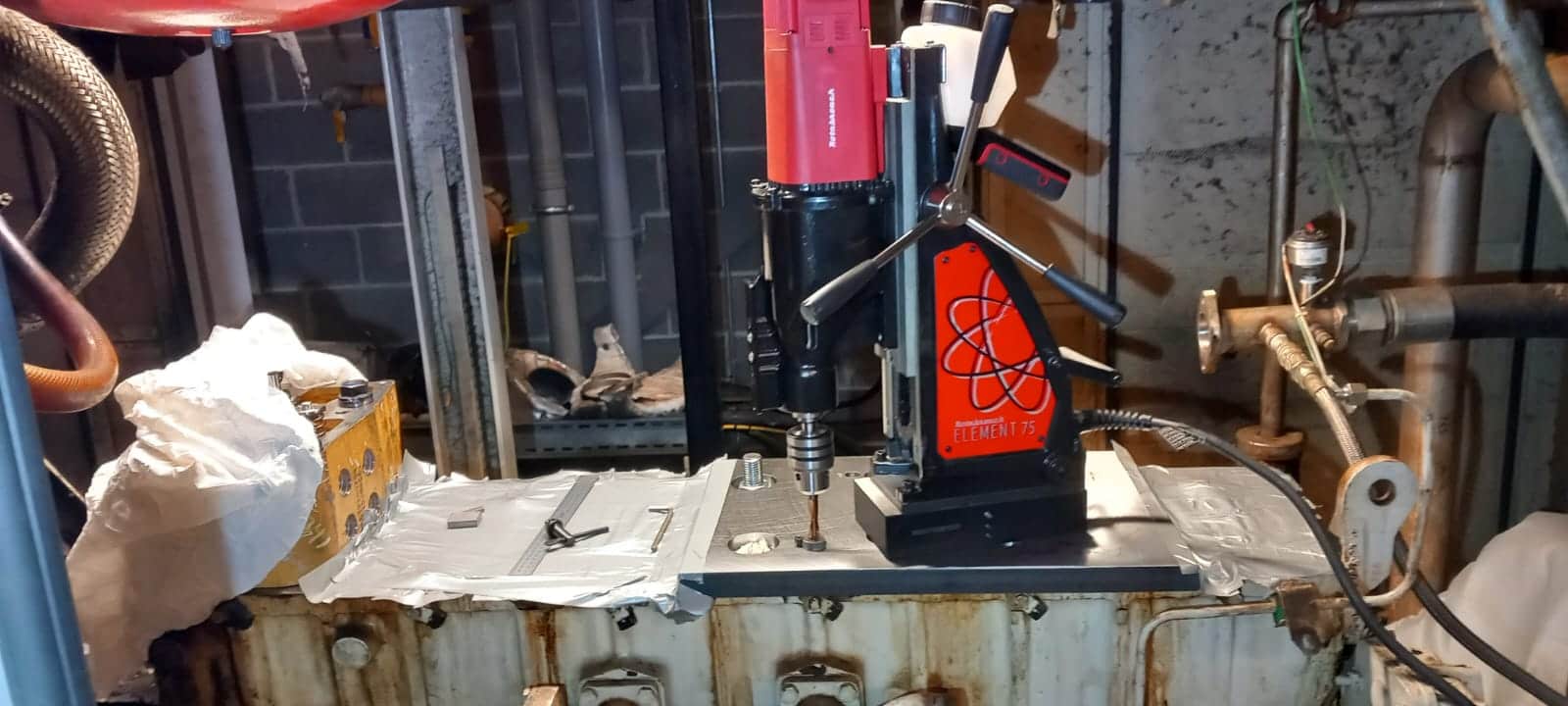
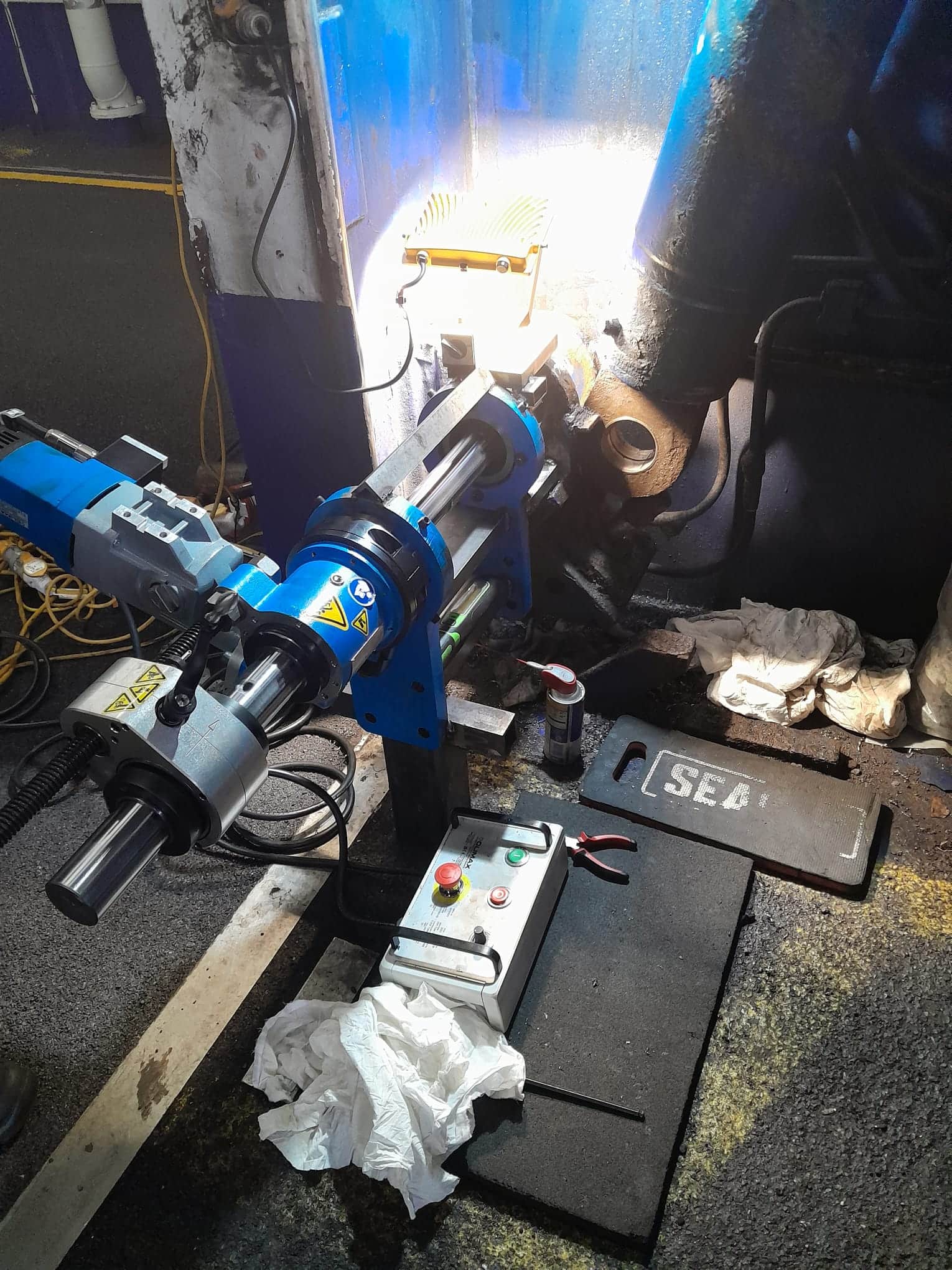
Portable machining refers to the use of machining equipment that can be transported to a job site and operated outside of a fixed workshop environment. The defining characteristic is the equipment itself. Portable machining tools, lathes, boring rigs, milling heads, flange facers, and similar machines are designed to be dismantled, transported, and reassembled on location.
The term says nothing about what happens to the component being worked on. A portable machine might be used to machine a component that has been removed from its housing. It might equally be used to work on a component while it remains fully installed. The portability is a property of the tooling, not the method.
What Is In-Situ Machining?
In-situ machining is the approach of machining a component while it remains in its installed position. The component is not removed, transported, or stripped from the surrounding assembly. The work is brought to it.
In-situ machining is defined by the method, not the equipment. The fact that the component stays in place is what characterises in-situ work. The tooling used to carry out that work will almost always be portable, because a fixed workshop machine cannot be brought to the component.
Where They Overlap
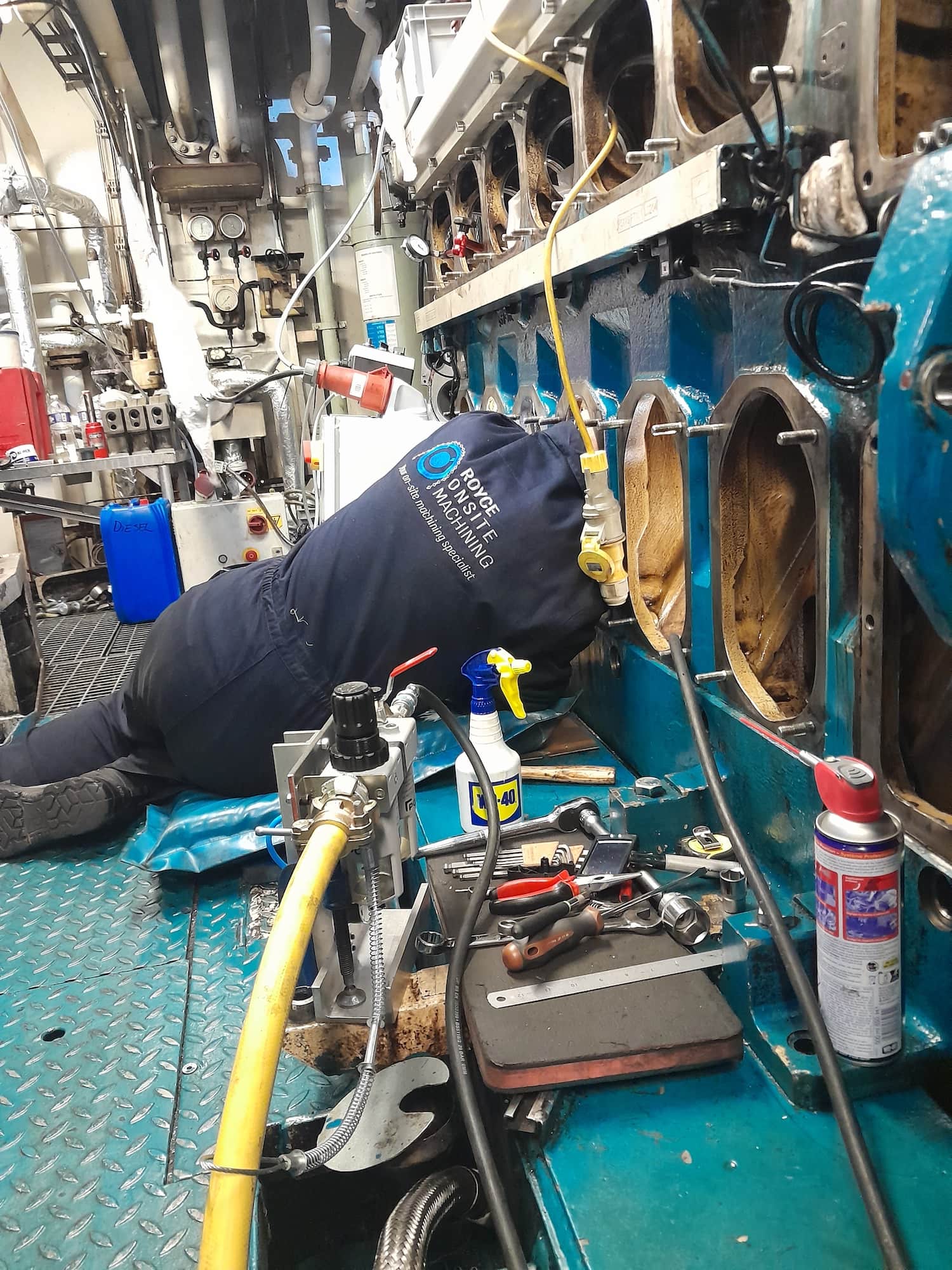
In most practical applications, portable machining and in-situ machining occur together. Portable equipment makes in-situ work possible. You cannot machine a crankshaft in a marine engine without removing the engine from the vessel unless the machining equipment can travel to the engine. Portable tooling enables in-situ repairs.
This is why the terms are so frequently conflated. In most on-site machining scenarios, both are present simultaneously, and distinguishing between them in conversation adds little practical value.
The distinction becomes relevant, however, when understanding scope, cost, and capability. Not all portable machining is in-situ. And understanding which approach applies to your situation shapes everything that follows.
Why the Distinction Matters in Practice
When a Component Is Removed, but the Equipment Is Still Portable
Consider a shaft journal repair on a component that can be extracted without excessive disruption. The shaft is removed, but rather than sending it to a remote workshop for machining, a portable lathe is brought to the site, and the work is performed on-site. This is portable machining without in-situ working.
The benefit here is logistical. Removing a component from the site entirely introduces transport risk, handover delays, and dependency on a third party’s schedule. Keeping the work on site, even if the component is not in its operating position, reduces the number of variables.
When In-Situ Is the Only Viable Option
Now consider a diesel engine bedplate on a vessel in dry dock, or a large generator in a power station. The component is large, heavy, and deeply integrated into the surrounding structure. Removing it is not a practical option within any reasonable operational window. The decision about whether to machine in situ is not really a decision at all. In-situ is what is available.
This is the scenario for which on-site machining specialists are most commonly called. Line boring of diesel engine bedplates, in-situ crankpin machining, flange facing on pipework that cannot be dismantled, and liner landing machining within a marine engine block and in-situ thread restoration on critical fastening systems. In each case, the component stays where it is, and the work is performed around it.
The tolerances achieved through this method, when carried out by engineers with the right experience and equipment, are comparable to those achieved in a controlled workshop environment. That point surprises people the first time they encounter it, but it is the reality of what modern portable machining technology enables.
Alignment: The Most Significant Practical Difference
There is one area where the in-situ approach carries a distinct technical advantage that goes beyond simply saving disassembly time.
When a component is removed for off-site machining and then reinstalled, alignment must be reestablished. On large, precision-critical machinery, this introduces a variable that does not exist when the work is done in place. The component, machined within its own operating context, does not need to be realigned relative to the surrounding system. It is already there.
For crankshaft repairs, bearing journal work, and line boring applications, this is not a trivial consideration. Misalignment during reinstallation is a genuine risk with off-site repair. In-situ machining removes that risk entirely from the equation.
Real Applications Where Both Approaches Combine
In practice, the most effective on-site machining operations draw on both portable equipment capability and in-situ methodology simultaneously. A few examples from Royce’s work illustrate how this plays out:
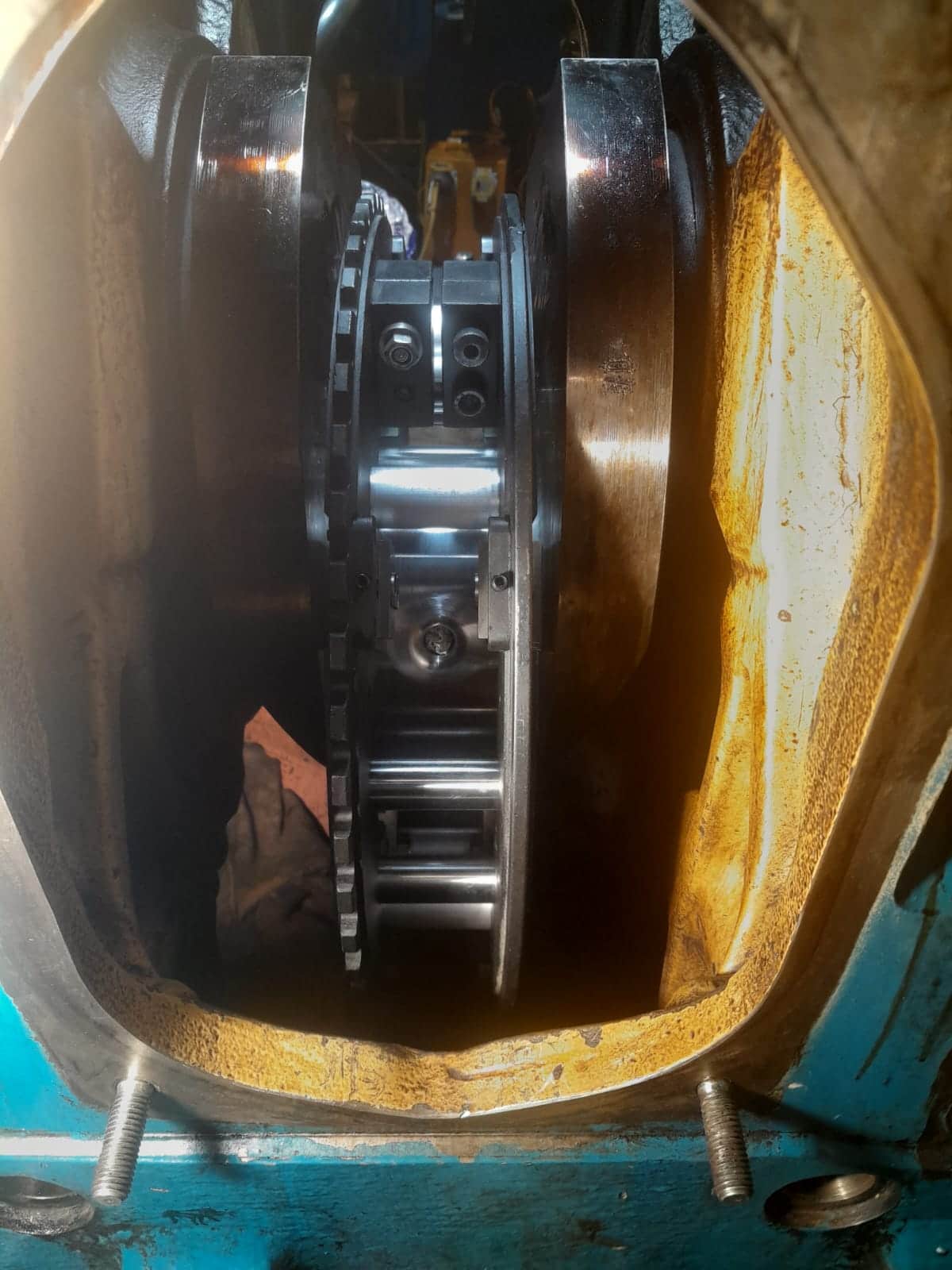
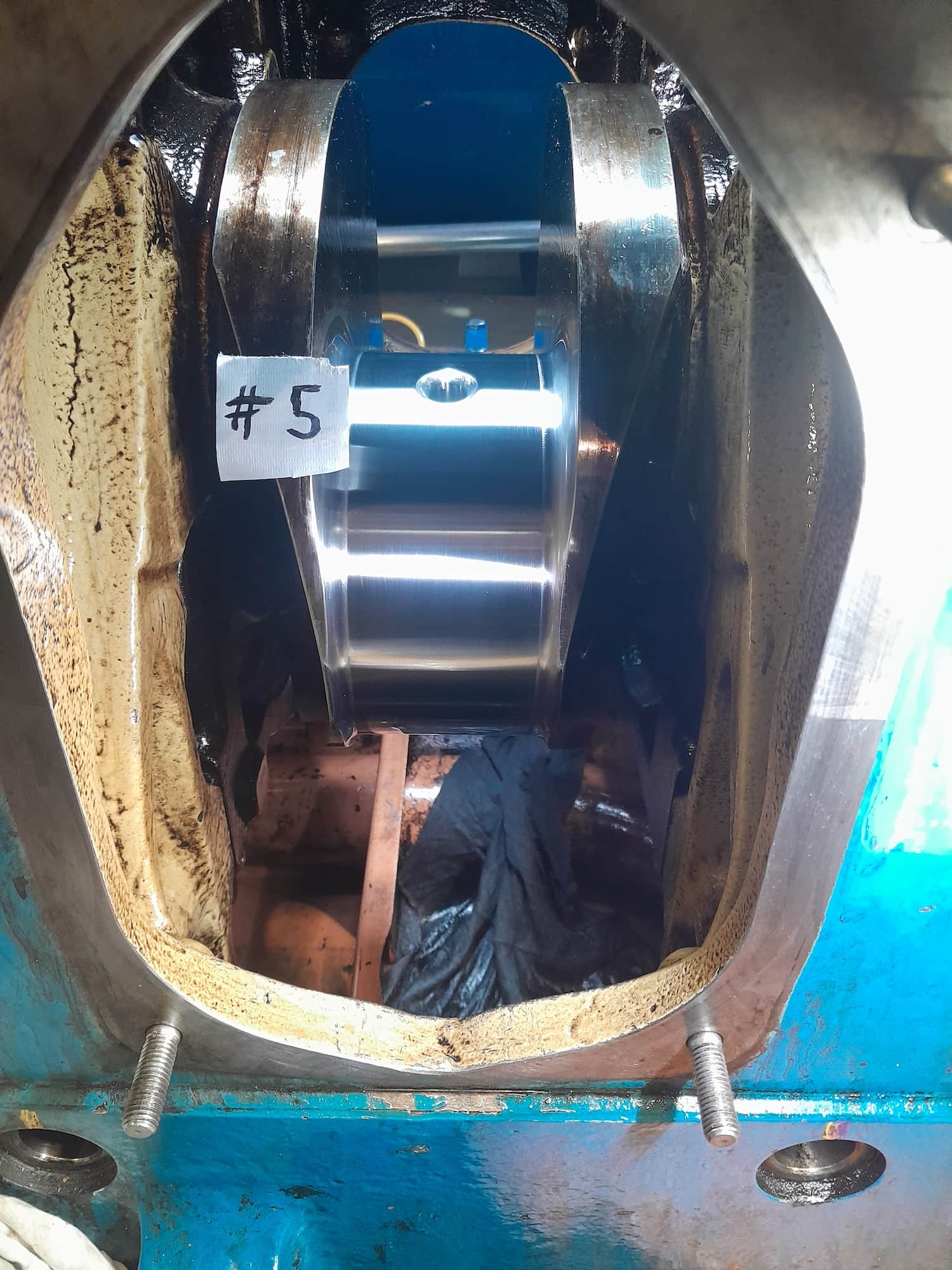
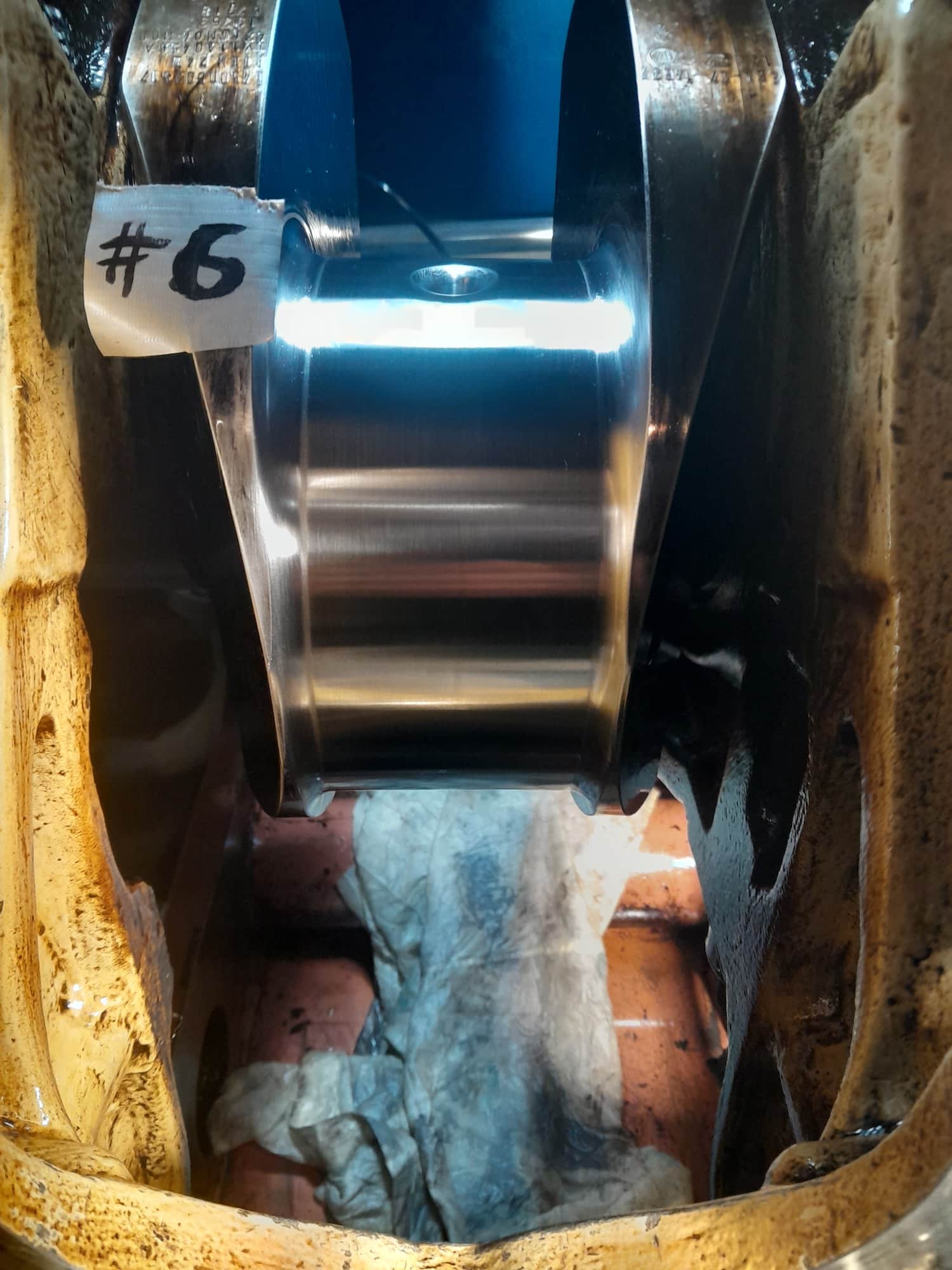
Crankpin machining on a marine engine: The engine remains in the vessel. Portable machining equipment is rigged directly to the crankshaft assembly, and the crankpins are ground to the required tolerance without removing the crankshaft from the engine. The component stays in situ. The equipment travels to it.
Flange facing on a refinery pipeline: Shutdown windows in petrochemical environments are tightly scheduled and extremely costly to extend. Removing flanged connections for workshop refacing is often not possible within the available time. Portable flange-facing machines are brought to the location, and the work is carried out in situ within the shutdown window, without extending it.
On-site line boring of an engine bedplate: Bore wear, or damage to the main bearing housings of a large diesel engine, requires precision restoration. The bedplate cannot be removed from a vessel or power station without extraordinary effort and cost. Line boring equipment is rigged within the engine space, and the work is completed in place, restoring alignment across the bearing line to tight tolerances.
Metal stitching for cast iron crack repair: When cracking occurs in an engine block or structural casting, metal stitching allows the repair to be carried out in situ without heat, avoiding the distortion risks associated with welding. The equipment is portable. The component stays exactly where it is.
What to Ask When You Need On-Site Machining
When you are contacting an on-site machining specialist under time pressure, the terminology matters less than the information you can provide. What helps most is being clear about the following:
- What the component is and what it does within the system
- Whether the component can be removed without significant additional downtime or risk
- What the failure mode is, scored journal, worn bore, cracked casting, damaged thread, and so on
- What the operational deadline is and what the cost of each additional day of downtime represents
- Where the equipment is located, including any access constraints
With that information, a specialist can quickly advise whether in-situ work is appropriate, whether the component needs to be removed, and what the fastest path to restoring function is. In many cases, the answers to all three questions are resolved in the first conversation.
Frequently Asked Questions
Is in-situ machining as accurate as workshop machining?
Yes, when carried out by experienced engineers using the correct portable equipment. Modern portable machining tools can achieve tolerances comparable to those of fixed workshop machines. The key variable is not the equipment but the team’s expertise.
Can all components be machined in situ?
No. Some components are better suited to removal and off-site machining, particularly smaller parts where transport and workshop handling are straightforward. In-situ machining is most appropriate for large, heavy, or alignment-sensitive components where removal would introduce more risk and delay than it resolves.
How quickly can an on-site machining team mobilise?
Royce Onsite Machining operates a 24/7 emergency response service and can mobilise rapidly to locations across the UK and internationally. The exact timeline depends on the location and the complexity of the equipment required, but emergency response is a core part of what the team is set up to deliver.
What industries does Royce Onsite Machining serve?
The team works across marine and shipbuilding, power generation, oil and gas, petrochemical, mining and heavy industry, and infrastructure and construction. Work ranges from tailshaft repair and crankpin machining through to emergency line boring and flange facing. The common thread across all of these is the presence of large, critical equipment where downtime is expensive and conventional repair routes are slow.
What is the difference between in-situ machining and field machining?
Field machining is another term used in some industries to describe the same general approach: performing machining work on-site rather than in a fixed workshop. The term is particularly common in the oil and gas sector. In practice, field machining and in-situ machining describe the same method, with the terminology varying by industry and region.
The Practical Answer
Portable machining and in-situ machining are closely related but not identical. Portable machining describes the equipment. In-situ machining describes the method. In most heavy industry scenarios, they occur together because portable equipment makes in-situ work possible.
The distinction rarely changes the decision you need to make. What matters is whether the repair can be carried out where the component sits, what tolerances are required, how quickly the work needs to be completed, and whether the team you are calling has the experience to manage all of that under real operating conditions.
Royce Onsite Machining have over 50 years’ experience delivering on-site and in-situ machining services across the UK and internationally. If you are dealing with a breakdown or a planned repair that requires specialist on-site work, the team is available 24 hours a day, seven days a week.
Call +44 (0) 1494 312888, email info@royceonsite.com, or contact our team.